
The forex industry continues to evolve at a remarkable pace. Rising trading volumes, changing regulatory expectations, growing client demands, and rapid technological advancements are reshaping how brokers operate. Success in 2026 and beyond will depend on more than offering competitive spreads or access to trading platforms. Brokers must build scalable operations, strengthen risk controls, and adopt technologies that support long term growth.
As market conditions become increasingly complex, firms that embrace innovation while maintaining operational stability will be best positioned to succeed. From automation and advanced analytics to enhanced Forex Risk Management Services, the next phase of forex brokerage growth will be defined by efficiency, transparency, and resilience.
Here are ten major trends every forex broker should monitor closely.
1. Advanced Risk Management Becomes a Strategic Priority
Risk management has always been a core component of brokerage operations, but its importance is increasing as markets become more volatile. Sudden price movements, geopolitical events, and liquidity disruptions can create significant exposure for brokers.
Modern Forex Risk Management Services now provide real time monitoring, automated exposure controls, dynamic hedging capabilities, and instant risk alerts. Instead of reacting after exposure levels become problematic, brokers can proactively identify risks and take action before losses occur.
The ability to monitor positions across multiple trading environments and client groups will become a key competitive advantage for brokers seeking sustainable growth.
2. Artificial Intelligence Enhances Operational Efficiency
Artificial intelligence is becoming an important tool across the financial services sector. For forex brokers, AI can help improve operational efficiency by analyzing large volumes of trading data and identifying patterns that may not be visible through manual monitoring.
Applications include risk assessment, client behavior analysis, trade surveillance, fraud detection, and customer support automation. While human oversight remains essential, AI driven systems can help brokers process information faster and make more informed decisions.
The future will likely see greater integration between AI technologies and brokerage infrastructure, helping firms improve both performance and client experience.
3. Automation Will Drive Brokerage Scalability
As client numbers grow, manual processes become increasingly difficult to manage. Brokers that rely heavily on spreadsheets and manual reporting often face operational bottlenecks that limit growth.
Automation is becoming essential for trade monitoring, exposure management, compliance reporting, client onboarding, and back office operations. Automated systems reduce errors, improve consistency, and allow teams to focus on strategic activities rather than repetitive tasks.
Companies that invest in automation today will be better prepared to handle increasing trading volumes in the years ahead.
4. Real Time Data and Analytics Gain Greater Importance
In fast moving financial markets, delayed information can lead to missed opportunities and increased risk. Brokers are increasingly adopting real time analytics platforms that provide instant visibility into trading activity, liquidity conditions, and client exposure.
Advanced dashboards allow risk managers and executives to monitor key performance indicators as events unfold. This enables faster decision making and more effective risk control.
Access to accurate, real time information is becoming a business necessity rather than a competitive luxury.
5. Multi Asset Trading Continues to Expand
Modern traders expect access to a wide range of financial instruments through a single trading account. Beyond traditional forex pairs, brokers are increasingly offering commodities, indices, equities, cryptocurrencies, and exchange traded products.
This diversification creates new revenue opportunities but also introduces additional complexity from a risk management perspective.
Brokers must ensure that their infrastructure and Forex Risk Management Services can effectively monitor and manage exposure across multiple asset classes while maintaining operational efficiency.
6. Stronger Regulatory Expectations Are Emerging
Regulatory standards continue to evolve across global financial markets. Authorities are placing greater emphasis on transparency, reporting accuracy, client fund protection, and operational resilience.
For brokers, maintaining compliance requires more than periodic reviews. It demands continuous monitoring, robust reporting systems, and comprehensive risk management frameworks.
Technology driven compliance solutions are becoming increasingly important as firms seek to meet regulatory requirements while minimizing administrative burdens.
7. Liquidity Management Becomes More Sophisticated
Access to reliable liquidity remains one of the most important factors influencing broker performance. Market conditions can change rapidly, especially during major economic announcements or unexpected global events.
Brokers are increasingly focusing on advanced liquidity management strategies that provide greater visibility into execution quality, liquidity provider performance, and market depth.
Combining sophisticated liquidity management with effective risk controls helps brokers maintain stable trading conditions and improve overall profitability.
8. Cloud Based Infrastructure Gains Momentum
Cloud technology is transforming financial services operations worldwide. Forex brokers are adopting cloud based solutions to improve flexibility, scalability, and system reliability.
Cloud infrastructure enables firms to expand resources as trading volumes increase without requiring major hardware investments. It also supports business continuity, disaster recovery planning, and global accessibility.
As brokerage operations become more data intensive, cloud adoption is expected to accelerate significantly over the coming years.
9. Enhanced Client Experience Drives Retention
Competition among brokers continues to increase. Traders now expect intuitive platforms, fast execution, responsive support, and seamless account management experiences.
Improving client experience extends beyond trading platforms. It includes efficient onboarding processes, transparent communication, educational resources, and personalized services.
Brokers that prioritize customer satisfaction are more likely to improve retention rates and generate long term client relationships.
10. Integrated Technology Ecosystems Become the Standard
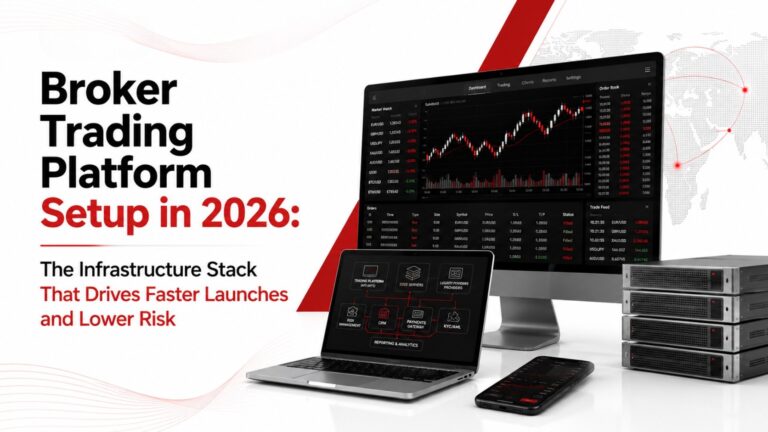
The future of forex brokerage operations lies in integration. Rather than relying on disconnected systems, brokers are moving toward unified ecosystems that combine trading platforms, risk management tools, liquidity management, reporting systems, and client management solutions.
Integrated environments improve operational visibility, reduce complexity, and enable better decision making across departments.
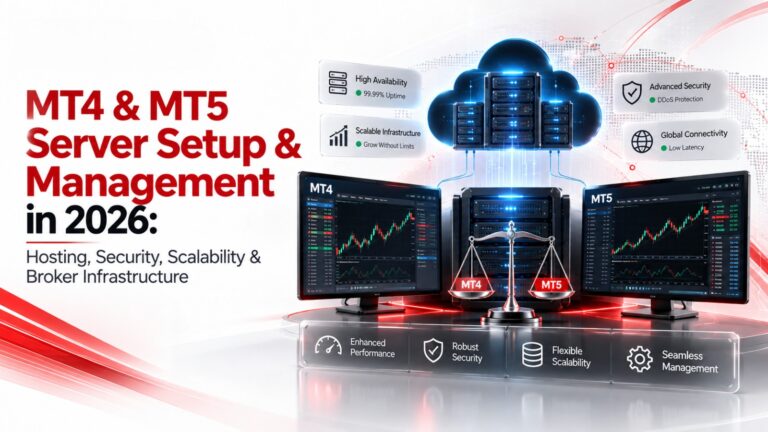
Solutions such as MT4 and MT5 server infrastructure, risk management platforms, and liquidity connectivity services work most effectively when they operate within a cohesive technology framework.
Why These Trends Matter for Brokers
The forex industry is entering a period where technology, risk control, and operational efficiency will determine long term success. Brokers that adapt to changing market conditions and invest in scalable infrastructure will be better positioned to manage risk, meet regulatory expectations, and deliver superior client experiences.
At the center of these developments is the growing importance of professional Forex Risk Management Services. Effective risk management supports profitability, protects broker capital, and provides the operational confidence needed to pursue growth opportunities.
As 2026 unfolds, brokers should focus on building resilient systems, embracing automation, leveraging real time data, and strengthening risk controls. Those that take a proactive approach today will be best prepared for the challenges and opportunities that lie ahead.
Conclusion
The future of forex trading will be shaped by innovation, transparency, and intelligent risk management. Artificial intelligence, automation, cloud infrastructure, multi asset trading, and integrated technology ecosystems are redefining brokerage operations across the industry.
For brokers seeking sustainable growth, staying ahead of these trends is no longer optional. Investing in advanced technology and reliable Forex Risk Management Services will help create a stronger foundation for profitability, compliance, and long term success in an increasingly competitive marketplace.
Frequently Asked Questions (FAQs)
1. Why is risk management becoming more important for forex brokers in 2026?
Risk management is becoming increasingly important because forex markets are more interconnected and volatile than ever. Economic announcements, geopolitical developments, and liquidity shifts can create sudden exposure risks. Advanced Forex Risk Management Services help brokers monitor positions in real time, control exposure, and maintain operational stability.
2. How can artificial intelligence benefit forex brokerage operations?
Artificial intelligence helps brokers analyze large amounts of trading data, identify unusual market activity, improve risk monitoring, detect potential fraud, and streamline customer support processes. AI can enhance operational efficiency while supporting faster and more informed decision making.
3. What role does automation play in modern forex brokerage businesses?
Automation reduces manual work across risk management, compliance reporting, client onboarding, and trade monitoring. By automating routine processes, brokers can improve accuracy, reduce operational costs, and scale their businesses more efficiently.
4. Why is real time risk monitoring essential for forex brokers?
Real time risk monitoring allows brokers to identify exposure issues as they occur rather than after losses have accumulated. This helps risk teams react quickly to market movements, adjust hedging strategies, and maintain better control over trading operations.
5. How are Forex Risk Management Services helping brokers improve profitability?
Forex Risk Management Services help brokers manage exposure more effectively, reduce unexpected losses, optimize hedging strategies, and improve capital efficiency. Strong risk controls support sustainable profitability while protecting the business during volatile market conditions.
6. What is driving the growth of multi asset trading platforms?
Traders increasingly prefer access to multiple asset classes such as forex, commodities, indices, stocks, and cryptocurrencies through a single platform. This demand is encouraging brokers to expand their offerings and provide more diversified trading opportunities.
7. How does liquidity management impact broker performance?
Effective liquidity management helps brokers maintain stable execution quality, reduce slippage, and ensure sufficient market depth during periods of high volatility. Strong liquidity relationships contribute to a better trading experience for clients and improved operational efficiency.