The forex brokerage industry has become highly competitive, with brokers constantly seeking ways to improve execution quality, manage risk, and maximize profitability. Traders today expect fast order execution, stable platforms, and competitive spreads. Behind all of this lies one of the most important operational units within a brokerage: the dealing room.
Dealing room support plays a crucial role in maintaining smooth trading operations while protecting brokers from unnecessary exposure. By combining market expertise, advanced technology, and real time risk monitoring, dealing rooms help brokers operate efficiently and remain profitable even during volatile market conditions.
For modern brokerages operating on platforms such as MetaTrader 4 and MetaTrader 5, a professional dealing desk is not just an operational requirement but a strategic advantage.
How Dealing Room Support Works in Forex Brokerage
A dealing room is the operational center where brokers monitor trading activity, manage order execution, control exposure, and oversee risk. It connects traders, liquidity providers, and the brokerage infrastructure to ensure smooth operations.
Dealing room support combines skilled professionals and automated systems that supervise client activity, analyze market conditions, and manage trade flow to reduce abnormal risk.
By adding human oversight to automated systems, dealing desks detect unusual trading behavior, handle large orders, and maintain financial balance. In short, a dealing room helps ensure stable and fair trading conditions for both brokers and traders.
Key Functions of a Professional Dealing Room
Trade Monitoring and Execution
One of the key responsibilities of a dealing room is monitoring client trades in real time. Brokers often process thousands of orders during active market sessions, and dealing teams ensure smooth execution without delays or pricing issues. They track slippage, execution speed, and order routing to maintain trading quality and quickly respond to unusual activity.
Liquidity Management
Liquidity is essential in forex trading. A dealing room connects the brokerage with multiple liquidity providers to maintain strong market depth and competitive pricing. Proper liquidity management allows brokers to offer stable spreads, reliable execution, and consistent trading conditions for clients.
Exposure Management
Exposure management helps brokers control financial risk. When traders open positions, brokers decide whether to internalize trades or hedge them externally. Dealing rooms continuously monitor net exposure across instruments, helping maintain balance while supporting profitability through effective A book and B book strategies.
Risk Monitoring
Dealing desks monitor trading activity to identify potentially harmful behavior such as latency arbitrage, toxic flow, or aggressive strategies. By analyzing trade patterns and account performance, dealing teams can apply risk controls that protect the brokerage while maintaining fair conditions for genuine traders.
How Dealing Room Support Improves Broker Efficiency
Faster Trade Execution
Efficient dealing operations ensure that orders are processed quickly and accurately. By monitoring execution quality and platform performance, dealing rooms help reduce delays and errors. This leads to a smoother trading experience and builds trust among clients.
Operational Automation
Modern dealing rooms use advanced tools, bridges, and automated risk systems. These technologies allow brokers to handle large trading volumes while maintaining full control over exposure. Automation reduces manual workload and allows dealers to focus on strategic decision making.
Better Platform Stability
Technical issues can damage a broker’s reputation quickly. Dealing rooms continuously monitor trading platforms, liquidity connections, and pricing feeds to ensure stability. Early detection of issues helps prevent downtime and trading disruptions.
Improved Client Experience
When trading conditions are stable and execution is fast, clients are more satisfied. A professional dealing desk ensures that traders receive reliable pricing, minimal slippage, and consistent performance. This directly improves client retention and long term business growth.
How Dealing Strategies Improve Broker Profitability
Spread Optimization
Dealing desks actively manage spreads based on market conditions and liquidity costs. By adjusting spreads strategically, brokers can maintain competitiveness while protecting revenue. This is especially important during high volatility periods.
Order Flow Analysis
Understanding client trading behavior helps brokers identify profitable opportunities. Some trading patterns generate consistent revenue, while others may increase risk. Dealing rooms analyze order flow to create a balanced trading environment.
Hybrid Risk Models
Many successful brokerages use hybrid models combining A book and B book execution. This approach allows brokers to internalize certain trades while hedging others externally. A well managed hybrid model can significantly improve profitability while maintaining risk control.
Liquidity Cost Optimization
Liquidity providers charge different fees and spreads. Dealing teams continuously evaluate liquidity performance to ensure the broker receives the best pricing. Efficient liquidity management directly improves overall profitability.
Improving Risk Control in Forex Brokerage Operations
Real Time Risk Monitoring
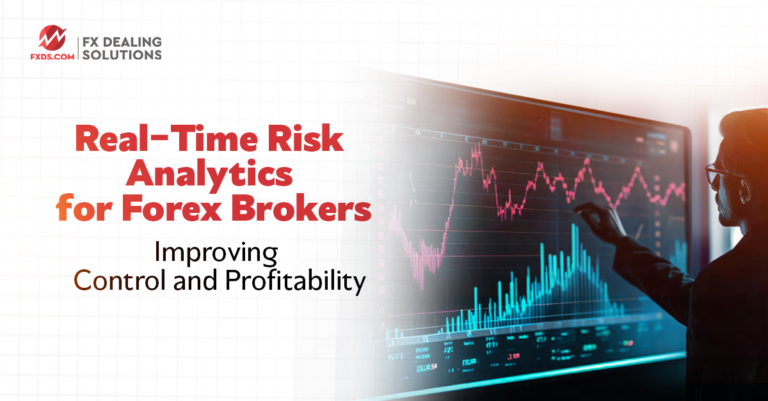
Risk exposure can change within seconds in the forex market. Dealing rooms track positions across instruments and accounts in real time, allowing brokers to respond quickly and reduce potential losses.
Toxic Flow Detection
Certain trading strategies exploit execution delays or pricing gaps. Dealing teams monitor trading activity using advanced tools to identify and control such harmful behavior early.
Hedging Strategies
When exposure increases, dealers hedge positions through liquidity providers. This helps maintain balance and protect the brokerage during volatile market conditions using both automated and manual methods.
Drawdown Prevention
Sudden market movements can create significant risk. Dealing rooms use exposure limits and risk alerts to prevent large drawdowns and maintain operational stability.
Benefits of Outsourced Dealing Room Support
- Many brokers choose to outsource dealing room operations to specialized providers because it offers several strategic advantages. This approach helps brokerages maintain efficient trading operations while focusing on business growth.
- Outsourced dealing desks provide continuous market monitoring throughout the day. Since the forex market operates twenty four hours a day, constant supervision helps brokers manage exposure, control risks, and respond quickly to market movements.
- Another major advantage is cost efficiency. Building and maintaining an in house dealing team requires significant investment in hiring, training, and technology. Outsourcing reduces these operational expenses while still providing expert support.
- Brokers also benefit from experienced professionals who understand trading behavior, liquidity management, and risk control strategies. Their expertise helps brokerages maintain stable operations and make informed decisions.
- Additionally, outsourcing allows brokerages to scale faster. Firms can expand their operations and handle higher trading volumes without heavily investing in new infrastructure or internal resources.
Choosing the Right Dealing Room Partner
- Selecting the right dealing room support provider is an important decision. Brokers should evaluate several factors before making a choice.
- Industry experience is critical, as dealing with financial markets requires deep expertise. Technology capabilities should also be considered, including risk management tools and liquidity connectivity.
- A strong liquidity network ensures competitive pricing and reliable execution. Brokers should also look for providers that offer continuous support and transparent reporting.
- The right partner can significantly improve operational performance and risk management.
Final Thoughts on Dealing Room Efficiency and Risk Control
Dealing room support has become a core component of successful forex brokerage operations. By overseeing trade execution, managing liquidity, monitoring exposure, and controlling risk, dealing desks help brokers operate efficiently and profitably.
In today’s fast moving trading environment, relying solely on automated systems is often not enough. A well structured dealing room combines human expertise with advanced technology to deliver optimal results.
For brokers looking to scale their business, improve execution quality, and maintain strong risk control, investing in professional dealing room support is not just beneficial but essential.